 By admin
Dental care has come a long way from the days of simple cleanings and fillings. Today’s practices are designed to be more comfortable, efficient, and comprehensive, offering a wide range of services that support both oral health and overall wellness. Patients are no longer limited to reactive care. Instead, modern providers focus on prevention, early detection, and customized treatment plans that evolve with your needs.
Whether you’re scheduling a routine checkup or exploring advanced treatments, understanding how modern dental care works can help you make more confident decisions. This guide breaks down what you can expect at every stage, from choosing the right provider to navigating costs and technology.
How to Find the Right Provider for Your Needs

When searching for care, most people start by looking into local dental offices that are convenient and accessible. Location matters, but it shouldn’t be the only factor. The right provider should offer a balance of expertise, technology, and patient-focused care.
A good family dentist can serve as your primary point of contact for everything from routine cleanings to long-term treatment planning. This continuity makes it easier to track changes in your oral health over time and catch issues early.
When evaluating your options, consider the following:
- Credentials and experience:
Look into the provider’s education, certifications, and areas of specialization. - Range of services:
A practice that offers both preventive and advanced treatments can save you from needing multiple providers. - Technology and equipment:
Modern tools often lead to more accurate diagnoses and less invasive procedures. - Patient reviews:
Feedback from other patients can reveal a lot about communication, wait times, and overall experience.
Before booking your first appointment, it’s helpful to ask a few key questions:
- What services are offered in-house?
- How are emergencies handled?
- What payment options are available?
Building a long-term relationship with a provider allows for more personalized care and better outcomes over time.
What Happens During a Modern Dental Visit
A typical visit today is designed to be efficient without feeling rushed. Many practices have streamlined the process using digital systems that reduce paperwork and improve communication.
From the moment you arrive, you’ll likely notice the difference. Check-in is often completed electronically, and your records are updated in real time. This integration is especially common in settings that operate alongside a family medical center, where providers can coordinate care more effectively.
During your appointment, you can expect:
- Comprehensive examination:
This may include digital X-rays, 3D scans, and visual inspections to identify any concerns. - Professional cleaning:
Removal of plaque and tartar, along with polishing and flossing. - Discussion of findings:
Your provider will explain any issues and recommend next steps.
Modern dentistry emphasizes education. Patients are encouraged to ask questions and understand their treatment options. This collaborative approach helps build trust and ensures that care plans align with your goals.
Preventive Care Strategies That Save You Money
Preventive care is the foundation of long-term oral health. By addressing small issues early, you can avoid more complex and expensive treatments down the line.
Working with a family dentist makes it easier to stay on track with routine care. They can monitor changes over time and recommend adjustments based on your specific needs. This consistency helps create a clear baseline for your oral health, making it easier to spot subtle changes before they become serious problems. It also allows for more personalized guidance, since your provider understands your history, habits, and risk factors. Over time, this proactive approach can lead to fewer surprises, less discomfort, and greater confidence in your overall dental care.
Key preventive services include:
- Regular cleanings and exams:
Typically recommended every six months - Fluoride treatments:
Strengthen enamel and reduce the risk of decay - Sealants:
Provide an extra layer of protection for vulnerable teeth
At home, daily habits play a major role:
- Brush twice a day using fluoride toothpaste
- Floss daily to remove debris between teeth
- Limit sugary foods and drinks
- Stay hydrated to support saliva production
Modern dentistry also uses advanced screening tools to detect issues earlier than ever before. This proactive approach not only protects your health but also helps you manage costs more effectively.
Straightening Your Smile With Today’s Technology
If you’ve ever considered improving the alignment of your teeth, there are more options available now than ever before. Orthodontists use advanced techniques to create customized treatment plans that fit your lifestyle.
One popular option is ceramic braces, which are designed to be less noticeable than traditional metal braces. They offer the same effectiveness while blending more naturally with your teeth. This makes them especially appealing for adults and teens who want a more discreet treatment experience. In addition, modern materials are more comfortable and less likely to irritate the gums and cheeks. With proper care and regular adjustments, they can deliver reliable results while maintaining a more natural look throughout the process.
When exploring alignment treatments, here’s what to expect:
- Initial consultation:
A detailed assessment to determine the best approach - Customized plan:
Based on your goals, timeline, and budget - Ongoing adjustments:
Regular visits to monitor progress and make changes
Benefits of modern alignment solutions include:
- Improved comfort compared to older systems
- Shorter treatment times in many cases
- Enhanced aesthetics for adult patients
Choosing the right treatment depends on your specific needs, so it’s important to have an open conversation with your provider about your goals and expectations.
Enhancing Your Smile With Aesthetic Treatments
Many patients today are interested in improving the appearance of their smile, not just maintaining its health. Cosmetic dentistry offers a range of options designed to enhance both confidence and function.
A cosmetic dental procedure can address issues such as discoloration, chips, gaps, and uneven shapes. These treatments are often tailored to each individual, ensuring the results complement your natural features rather than look artificial. In many cases, even small improvements can make a noticeable difference in how you feel about your smile. As techniques continue to advance, patients can achieve more predictable, long-lasting results with minimal downtime.
Popular treatments include:
- Teeth whitening:
Brightens your smile in a relatively short time - Veneers:
Thin shells that cover the front surface of teeth - Bonding:
Repairs minor imperfections with tooth-colored material
Before moving forward, it’s important to understand what’s realistic. A thorough consultation will help determine whether you’re a good candidate and what results you can expect.
Consider these factors:
- Overall oral health must be stable before cosmetic work begins
- Some treatments may require maintenance over time
- Results can vary based on individual anatomy and habits
Balancing aesthetics with functionality ensures that your smile not only looks good but also performs well in the long term.
Restoring Damaged Teeth for Function and Appearance
When teeth are damaged or weakened, restorative treatments can help bring them back to full function. One of the most common solutions is dental crowns, which cover and protect compromised teeth. These restorations are custom-made to match the shape, size, and color of your natural teeth, allowing them to blend in seamlessly. They not only restore strength but also help prevent further damage by acting as a protective barrier. In many cases, a crown can significantly improve your ability to chew and speak comfortably. With proper care and regular checkups, they can remain durable and effective for many years.
These restorations are often recommended after:
- Significant decay
- Cracks or fractures
- Root canal procedures
A cosmetic dental procedure, like a crown, not only strengthens the tooth but also improves its appearance. Modern materials are designed to mimic the look and feel of natural enamel.
The process typically involves:
- Preparing the tooth by removing damaged areas
- Taking impressions or digital scans
- Placing a custom-fitted restoration
Aftercare is essential for longevity:
- Maintain good oral hygiene
- Avoid excessive force, such as chewing hard objects
- Attend regular checkups to monitor the restoration
With proper care, these solutions can last for many years and significantly improve both comfort and confidence.
Expanding Services Beyond Traditional Dental Care
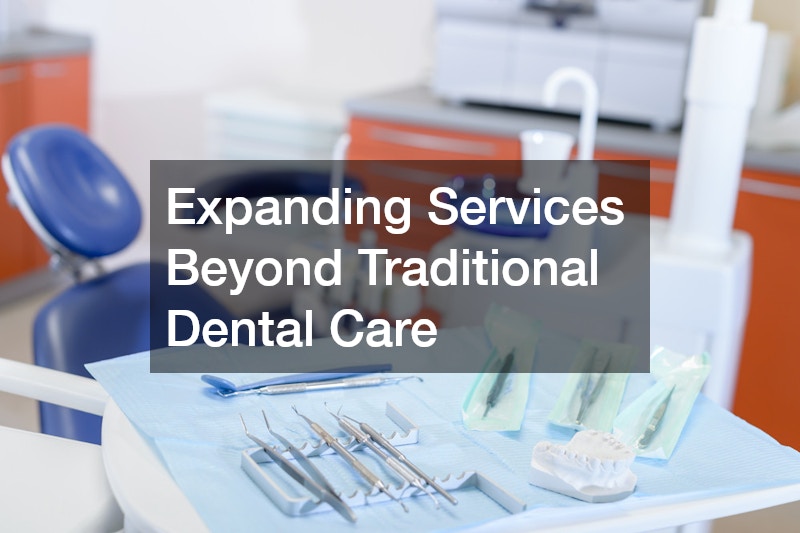
Some uses include:
- Reducing jaw tension caused by clenching or grinding
- Minimizing discomfort related to TMJ disorders
- Enhancing facial symmetry
Before considering these options, it’s important to ensure that your provider is properly trained and experienced. Safety should always be a top priority.
These additional services can complement your overall care plan, offering a more holistic approach to both health and appearance.
Coordinating Care Across Multiple Specialists
In some cases, achieving the best results requires collaboration between different providers. Orthodontists may work alongside general practitioners and other specialists to create a comprehensive treatment plan.
This coordination is often streamlined in environments connected to a family medical center, where communication between providers is more seamless.
Benefits of coordinated care include:
- More accurate diagnoses
- Better alignment of treatment goals
- Reduced risk of conflicting recommendations
To stay organized:
- Keep copies of your records and treatment plans
- Communicate openly with each provider
- Ask for clarification if recommendations differ
Taking an active role in your care ensures that all aspects of your treatment work together effectively.
What to Expect in Terms of Cost and Insurance
Understanding the financial side of care is just as important as understanding the treatments themselves. Costs can vary widely depending on the complexity of the procedure and the materials used.
Many local dental offices offer transparent pricing and flexible payment options to make care more accessible. For more extensive treatments like dental crowns, it’s especially important to review your options carefully. Taking the time to compare estimates and understand what is included can help you avoid unexpected expenses later on. It’s also helpful to discuss timelines and payment schedules in advance so you can plan accordingly without added stress.
Consider the following:
- Insurance coverage:
Some procedures may be partially or fully covered - Out-of-pocket costs:
These can vary based on your plan - Financing options:
Many practices offer payment plans
Before committing to any treatment, ask:
- What is the total cost, including follow-up visits?
- Are there alternative options at different price points?
- How will this impact future care needs?
Planning ahead can help you avoid unexpected expenses and make more informed decisions.
How Technology Is Changing the Patient Experience
Advancements in technology have transformed the way care is delivered. From diagnostics to treatment, modern tools are improving both accuracy and comfort.
In dentistry, innovations such as digital imaging and 3D scanning allow for more precise planning. These tools are also used in treatments like ceramic braces, where customization plays a key role. This level of precision helps reduce errors and improve the overall fit and effectiveness of treatments. Patients also benefit from shorter appointment times and fewer visits in many cases. Additionally, enhanced visualization allows providers to better explain procedures, making it easier for patients to understand their options. As technology continues to evolve, the patient experience is becoming more efficient, predictable, and comfortable.
Some notable advancements include:
- Same-day restorations:
Reduce the need for multiple visits - Digital impressions:
Eliminate the discomfort of traditional molds - Enhanced imaging:
Provide clearer insights into oral health
These technologies offer several benefits:
- Faster treatment times
- Improved outcomes
- Greater comfort for patients
Choosing a provider that invests in modern tools can make a significant difference in your overall experience.
Modern dental care is more comprehensive, personalized, and accessible than ever before. With a focus on prevention, advanced treatments, and patient education, today’s providers are equipped to meet a wide range of needs.
By understanding what to expect, you can take a more proactive approach to your oral health. Whether you’re maintaining your current routine or exploring new options, informed decisions lead to better long-term results.
If you’ve been putting off your next appointment, now is the time to take that first step. A consultation can help you explore your options and create a plan that supports both your health and your confidence for years to come.